

Justin R. Greenbaum
Greenbaum Labs
April 2026

This edition is different from the ones that came before.
Editions 1 through 5 were build logs. They documented the construction of an instrument: scoring architectures, reproducibility testing, prompt hardening, fleet operations. The question behind every edition was whether the system could measure what it claimed to measure. Those questions are not finished. But this edition pauses the build to follow a different thread.
On March 27, Dr. Nick van der Meulen, a research scientist at MIT CISR, presented his work on digital business transformation at the MIT AI Executive Academy. One week earlier, he had published a research briefing titled “Minimum Viable Governance for Generative AI” (MIT CISR Research Briefing, Vol. XXVI, No. 3, March 2026). It was his newest piece. Four characteristics of governance designed for a world where the technology transforms every eighteen months: structurally agile, trustworthy by design, integrated end-to-end, opportunity-sensitive.
I was in that room. During the session, I asked about a pattern I have seen repeatedly: authority that exists on paper but requires so much lateral alignment to execute that nobody actually owns the decision. He called it “very recognizable.” He connected it to what he calls organizational scar tissue: rules put in place because one person made one mistake, now applied to everyone forever. The conversation continued over lunch, and I described the diagnostic framework, the seventeen failure modes, the scoring pipeline, the center-edge documentation methodology.
I am not writing this to claim validation. I am writing it because his research and this project’s taxonomy are looking at the same problem from two altitudes. He is mapping what good looks like: the characteristics of governance that works. The Coherence framework maps what broken looks like: the structural conditions that emerge when those characteristics are absent. The two are complements. And the space between them is where the language lives.
The Language Is the Contribution
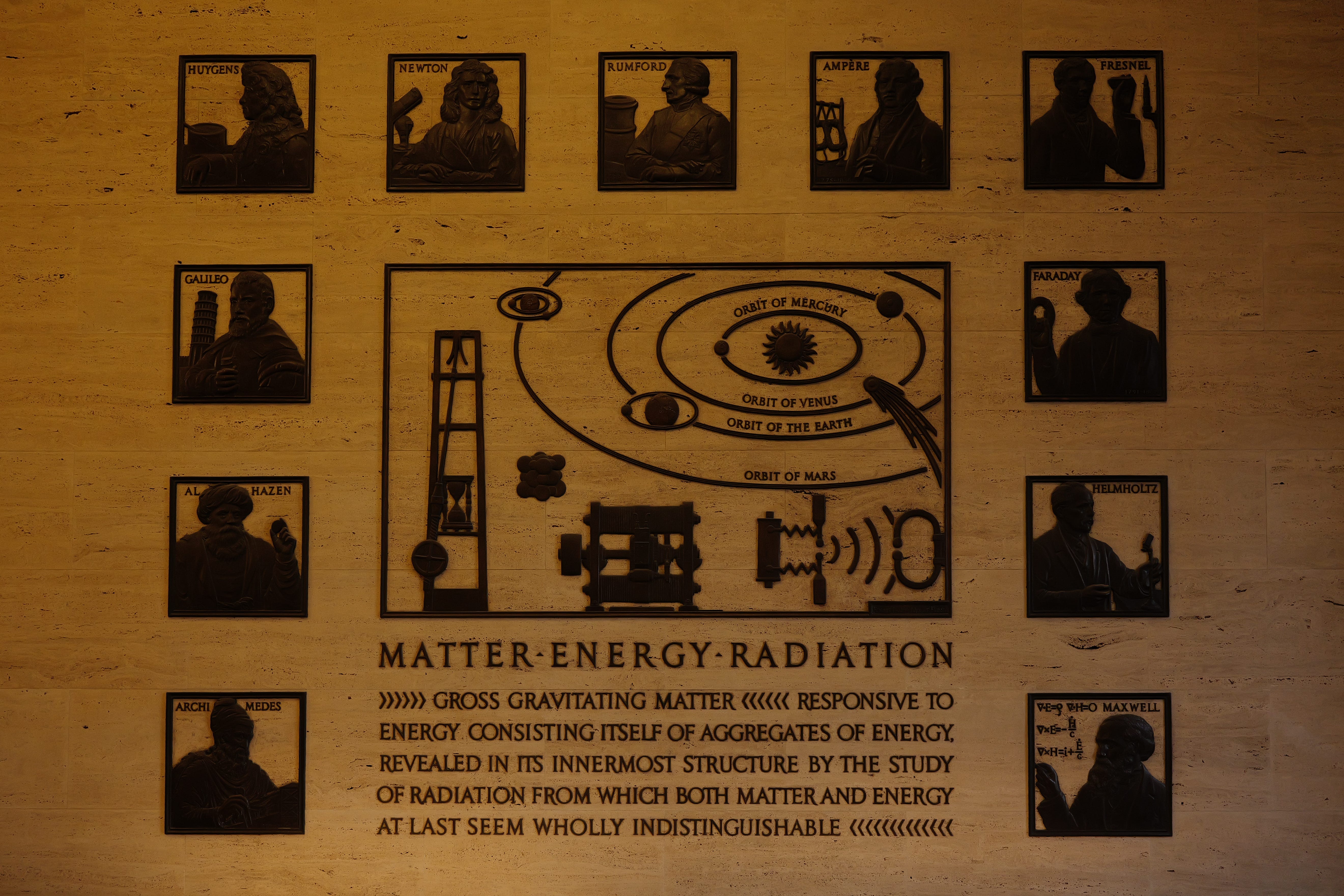
The Coherence project is built on a single premise: before you can measure organizational coherence, you need language that names what you are measuring. Before you can diagnose failure modes, you need vocabulary that makes those modes recognizable. The seventeen failure modes are not a scoring system. They are a naming system. FM-01, Responsibility Compression, describes something every person who has worked inside a scaling organization has felt. They felt it, adjusted to it, compensated for it, and could not name it. Without a name, it is invisible. You cannot address what you cannot see, and you cannot see what you cannot name.
The same insight surfaces in van der Meulen’s MVG work. He opened his session with a claim that landed harder than any framework or quadrant: shared vocabulary and strategic focus are the two prerequisites for transformation progress. Without shared vocabulary, “AI” means something different to every person in the room. “Transformation” is a word people nod at and define privately. “Governance” is either a reassurance or a threat, depending on who hears it.
This is what van der Meulen’s research and this project share as a foundational commitment: the belief that structural conditions must be named before they can be changed. His vocabulary (MVG, organizational explosions, silos and spaghetti, Future Ready) gives organizations language for where they are and where they need to go. The Coherence framework’s vocabulary (failure modes, field notes, the Triangle) gives organizations language for what is preventing them from getting there. The research describes the destination. The diagnostic names the obstacles. Both require language first.
But the instrument’s deepest contribution may not be the scores it produces. It may be the vocabulary it gives people for naming what they already observe. Edition 5 ended with that question: “whether someone needs a pipeline to see these patterns, or just the right questions.” This edition is the answer. The pipeline validates the language. The language is what scales.
A diagnostic score requires infrastructure, compute, methodology, a practitioner. A name requires only recognition. Someone reads “Responsibility Without Authority” and thinks: that is what I have been living inside for two years. That recognition is the beginning of the diagnostic, whether or not the pipeline ever runs on their organization. The language is the instrument’s gift to the people who will never buy the service. And it is the entry point for the people who will.
What Breaks When Governance Isn’t Structurally Agile

Van der Meulen’s first MVG characteristic is structural agility: governance that can adapt its own structure as the environment changes. Not flexibility in the casual sense. The ability to change the rules about who decides what, and how quickly those rules take effect, without convening a senate each time.
When this characteristic is absent, the Coherence framework names what appears.
FM-01, Responsibility Compression, is the most persistent signal in the diagnostic pipeline. It is one of three foundational failure modes the taxonomy identifies as tier 1: structurally universal in organizations past a certain scale. The instrument detected FM-01 above threshold in fourteen of fifteen fleet entities. In practice, the tier 1 modes are present in every large organization the pipeline has measured. What varies is severity, not presence. Responsibility concentrates where authority does not. Senior roles hold decision power. Frontline teams absorb the consequences without the ability to change outcomes. In a structurally agile governance model, decision rights redistribute as conditions change. Without that agility, they calcify. The people closest to the problem lack the authority to act on it. The people with authority are too far from the problem to see it clearly. Compression is the predictable result.
FM-03, Responsibility Without Authority, is the sharper version of the same condition. Someone is explicitly accountable. Their name is on the RACI chart. Their performance review includes the outcome. But they lack the organizational authority to influence that outcome. Van der Meulen had a line in his session that named this precisely: “You can have the most beautiful RACI chart in the world, but it’s not going to change anything fundamentally.” He is right. The chart assigns responsibility. It does not transfer power. When governance cannot restructure authority in response to shifting conditions, RACI becomes a documentation of servitude, not a mechanism of alignment.
FM-06, Exception Inflation, completes the picture. Every exception that gets hard-coded into process rather than resolved structurally is a governance system losing agility. A VP approves one off-cycle purchase because the timeline demands it. Next quarter, an exception form exists. The quarter after that, the form requires three signatures. A year later, forty percent of purchases route through the exception path, and the exception path is now the slow one. The organization layered governance on top of governance instead of fixing the structural condition that generated exceptions in the first place. Van der Meulen calls these layers “organizational scar tissue.” The Coherence framework counts them. They accumulate. They slow the organization down. And they are structurally invisible to the people living inside them because each individual scar feels reasonable.
What Breaks When Governance Isn’t Trustworthy by Design

The second MVG characteristic is that governance must be trustworthy by design: not trust bolted on after the fact, but trust embedded in the structure. People comply with governance they believe is fair, useful, and responsive. They route around governance they believe is theater.
When this characteristic is absent, the first thing that surfaces is FM-04, Metric Shadowing. The official metrics still get reported. They look fine. But the people producing those metrics know they do not reflect what is actually happening. A customer satisfaction score stays high because the survey only reaches customers who completed a transaction, not the ones who abandoned. A project status is green because the definition of green was quietly redefined two quarters ago. The governance mechanism is technically functioning. The trust is gone. The numbers are correct and meaningless.
FM-02, Escalation Inversion, follows. The escalation paths exist on paper. People know where to route a problem, who to flag, what to file. But when escalating is costly, slow, or reputationally risky, people stop doing it. They absorb problems at the edge instead. The issue gets quietly resolved, or it doesn’t, and the organization only learns of it when something public breaks. In a trustworthy system, escalation is a signal. In one where trust has eroded, escalation is treated as failure: the act of raising a problem carries more cost than the problem itself. Issues get absorbed rather than surfaced. The structural conditions that produced them remain.
This is the gap that the Coherence framework measures: the distance between what the governance system reports about itself and what the people inside it (and the customers outside it) actually experience. Trust by design means the governance system’s self-report is reliable. When it is not, the diagnostic finds the specific failure modes that explain why.
What Breaks When Governance Isn’t Integrated End-to-End

The third MVG characteristic is integration: governance that operates across organizational boundaries, not within them. Not integration as an IT project. Integration as a structural condition where governance mechanisms talk to each other, where a decision made in one unit is visible and actionable in another.
When this is absent, what appears is the condition van der Meulen’s research calls “silos and spaghetti.” When leaders in the room self-selected into quadrants, the poll aligned with his survey data: the majority placed themselves there. The majority condition of large organizations is dysfunction as normal. People surviving on heroics, compensating for fragmentation with personal effort, navigating workarounds that everyone knows about and nobody addresses.
The Coherence framework names this FM-05, Normalized Workarounds. It is the operational texture of silos and spaghetti. The workaround that started as a temporary bridge becomes the permanent road. The manual handoff between two systems that should be integrated. The spreadsheet that exists because the platform cannot do what the team needs. The person who holds the institutional knowledge of how things actually work, and whose departure would break the process.
FM-07, Coordination Decay, is the structural driver underneath. As governance fragments across organizational boundaries, the coordination cost between units rises silently. More meetings. More alignment documents. More “quick syncs” that are not quick and do not sync. The governance technically exists in each unit. The space between units is ungoverned. The coordination decay is invisible in any single unit’s reporting. It is visible only to the people absorbing the cost of bridging the gap and to the customers at the far end of it.
Van der Meulen made the amplification point explicitly in his afternoon session: AI does not create these conditions. AI amplifies whatever it is pointed at. Good operational backbone, clean data, skilled people with decision rights: AI accelerates that. Silos and spaghetti with overworked heroics and messy data: AI pours gasoline on it. The governance integration question is structural. AI does not create it. AI only makes it urgent. The Coherence framework measures the structural conditions. MVG describes the governance response. The sequence matters: diagnose first, govern second.
What Breaks When Governance Isn’t Opportunity-Sensitive
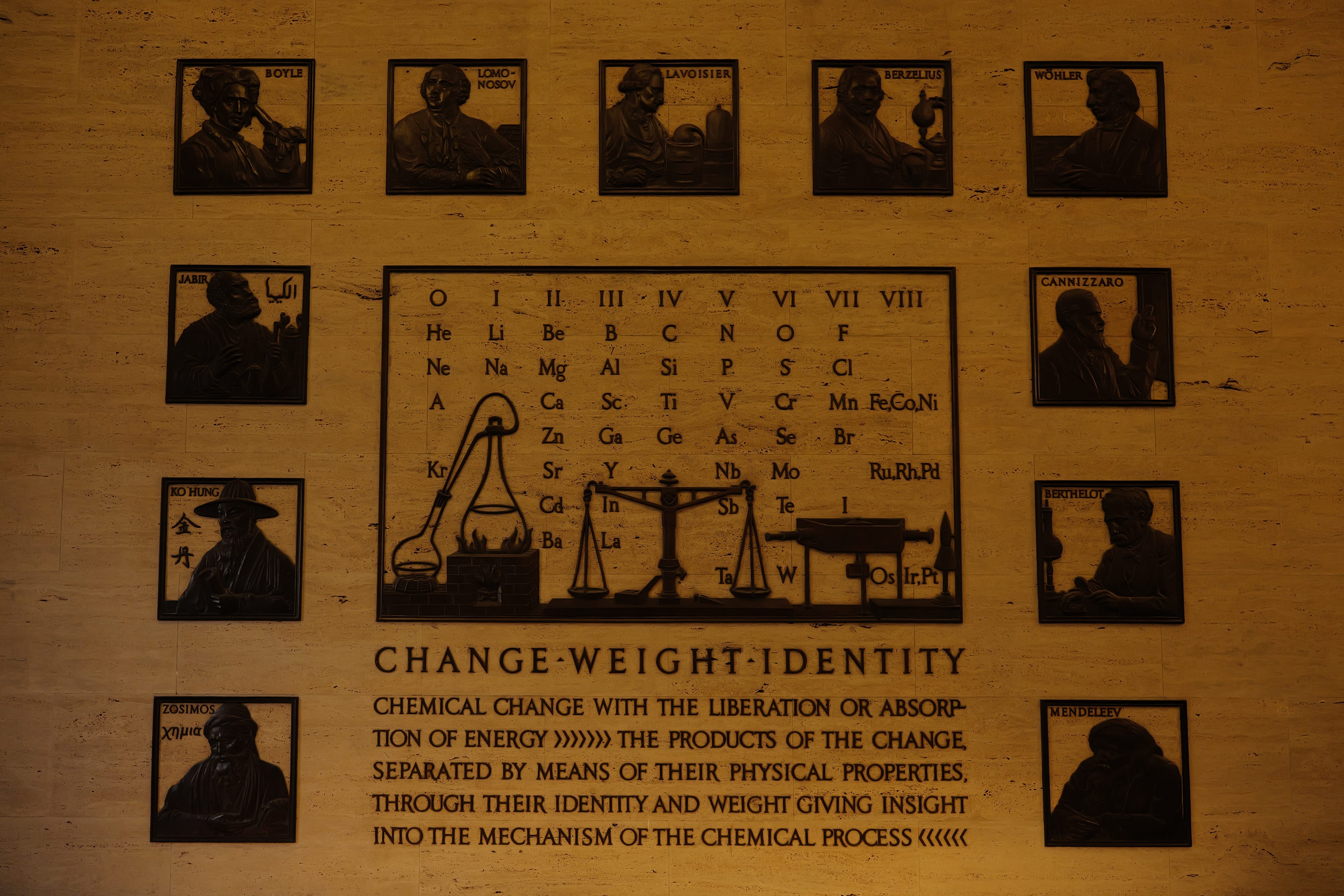
The fourth MVG characteristic is opportunity-sensitivity: governance that does not just prevent bad outcomes but actively creates conditions for good ones. This is the hardest characteristic to measure because its absence looks like stability. Nothing goes wrong. Nothing remarkable happens. The organization operates within its constraints and does not notice that the constraints have become the strategy.
The Coherence framework approaches this through the Truth vertex. Truth measures the distance between what an organization says about itself and what is observable at the edges: customer experience, employee experience, market reality. An organization that is not opportunity-sensitive tells a story about innovation, growth, and transformation that does not match the observable reality. The center narrative describes ambition. The edge data describes maintenance.
This is compression, operating at the narrative level in the same way FM-01 operates structurally. The center compresses complexity into a story it can tell the board, the market, the workforce. The edge lives the uncompressed version. The gap between the two is measurable, and the instrument measures it. A high Truth score means the center-edge gap is narrow, and the story matches the experience. A low Truth score means the story and the experience have diverged. Neither score tells you what to do. Both tell you where to look.
An opportunity-sensitive governance model keeps the gap narrow by design. The governance mechanisms surface edge reality into center decision-making. Customer complaints reach product strategy. Employee experience data reaches organizational design. Market signals reach resource allocation. When the governance model is not opportunity-sensitive, those feedback loops degrade. The center narrative drifts from edge reality. The Truth score declines. The organization becomes, in van der Meulen’s quadrant framing, a candidate for the Integrated Experience trap, the “dopamine trail” where customer-facing metrics improve while the underlying structure deteriorates. Everything looks better. Nothing has changed.
What’s Next

The MVG paper and the Coherence framework are adjacent layers. His research maps the governance characteristics that make organizations adaptive. The Coherence framework maps the structural conditions that emerge when those characteristics are absent. The mapping between them is specific: each MVG characteristic, when missing, produces identifiable, nameable failure modes.
This edition is the first attempt to bridge the two explicitly. The citations are a practitioner showing where a research tradition and twenty years of operational experience land on the same problems.
The language distribution work begins now. Each failure mode is a standalone piece of content. Each one names something people recognize but have not had a word for. The taxonomy (seventeen failure modes, twenty-one field notes, the Coherence Triangle) came first. It came from twenty years inside organizations where these patterns had no names. The pipeline was built afterward, to prove these conditions exist in the wild at scale, across sectors, without needing a client engagement or putting a former employer on the line. The language was always the point. The pipeline is the evidence.
Getting the vocabulary into circulation is the next phase. The pipeline will continue to run. The fleet will grow. The instrument will sharpen. But the vocabulary does not need the pipeline to travel. It needs only to be placed in front of people who have been waiting for it without knowing they were waiting.
Van der Meulen said something in his session that I keep coming back to, “The hard, unglamorous work of getting the conditions right for AI to actually help accelerate and transform the organization… that is not paid enough attention to.” He is right. And the first step in that work is naming the conditions. Not the aspirational conditions. The current ones. The ones that have been invisible because nobody had words for them.
Now they have names. Seventeen of them.
The images in this edition are from my own library, shot on Leica. Everything in this project is built or sourced firsthand. The visuals are no exception.
References
Van der Meulen, N., Jewer, J., and Levallet, N. “Minimum Viable Governance for Generative AI.” MIT CISR Research Briefing, Vol. XXVI, No. 3, March 2026.
Van der Meulen, N. and Ross, J.W. “Realizing Decentralized Economies of Scale.” MIT CISR, January 2023.
Van der Meulen, N. “Managing the Two Faces of Generative AI.” MIT CISR, September 2024.
Van der Meulen, N. “Bring Your Own AI: How to Balance Risks and Innovation.” MIT Sloan Management Review, October 2024.
Ross, J.W., Beath, C.M., and Mocker, M. Designed for Digital: How to Architect Your Business for Sustained Success. MIT Press, 2019.
Greenbaum, J. “The Coherence Record, Editions 1–5.” Greenbaum Labs, 2026.